You are here: P St'Ambrogio 23
/ talk
5vie event
physical event
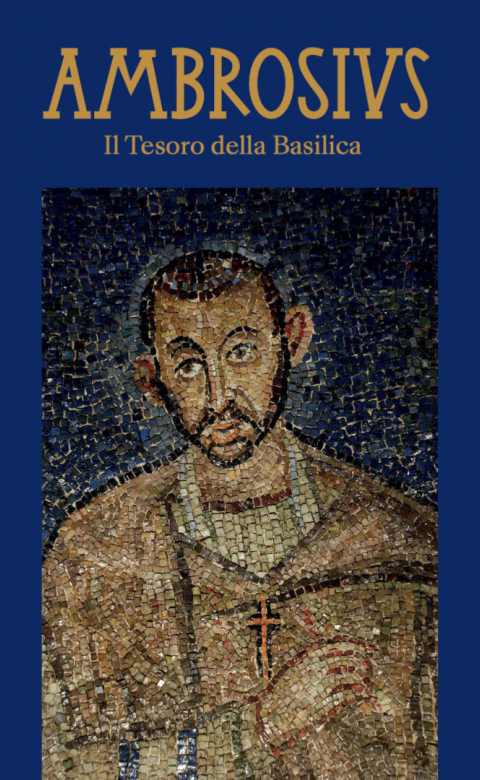
AMBROSIUS
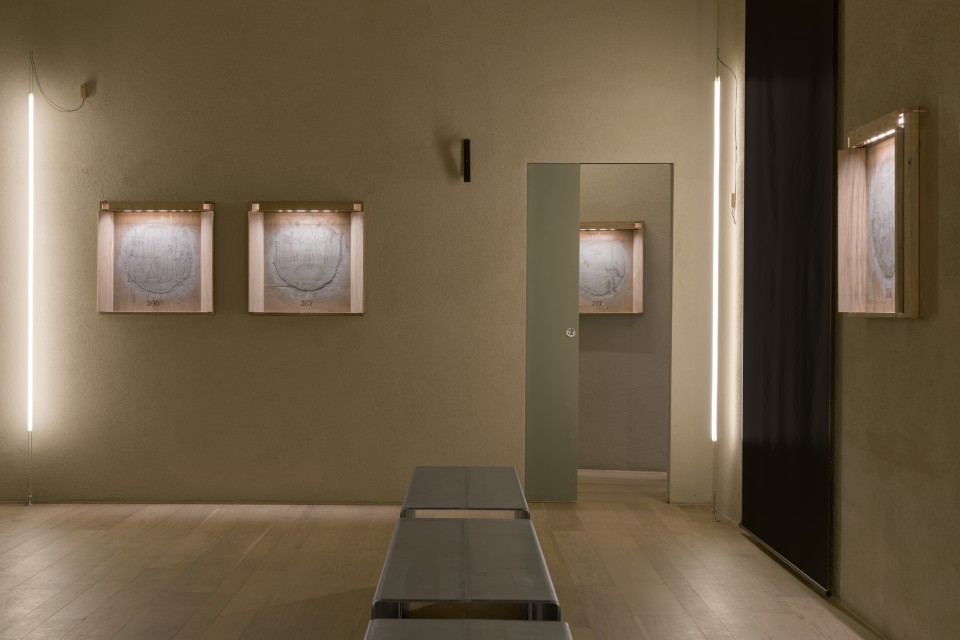
You are currently in the museum exhibition, Ambrosius, il Tesoro della Basilica.
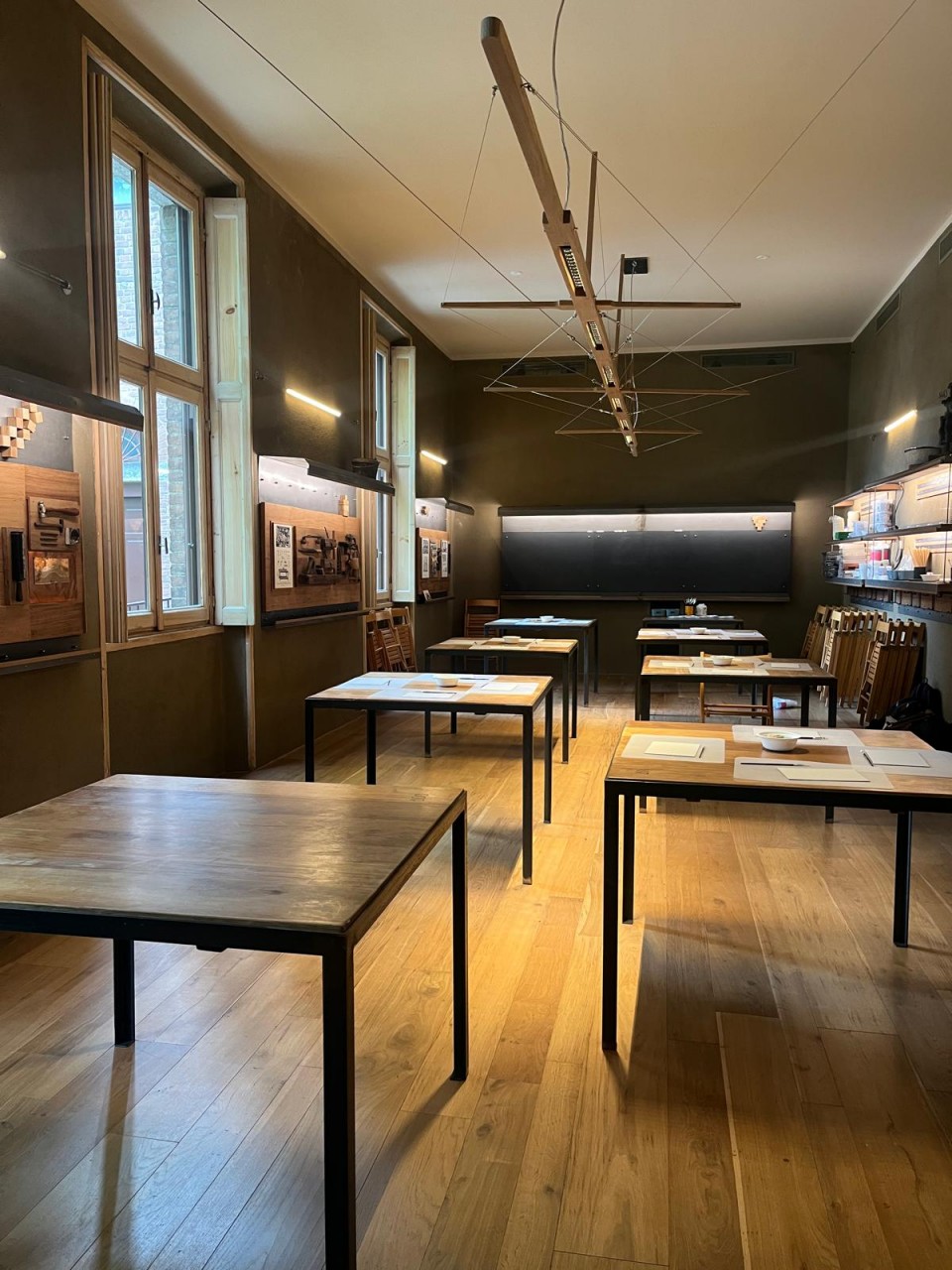
This week, you are free to visit all the rooms dedicatedto visitor bookshop and educational activities, the multimedia room, the Oratorio della Passione and the Cloister.
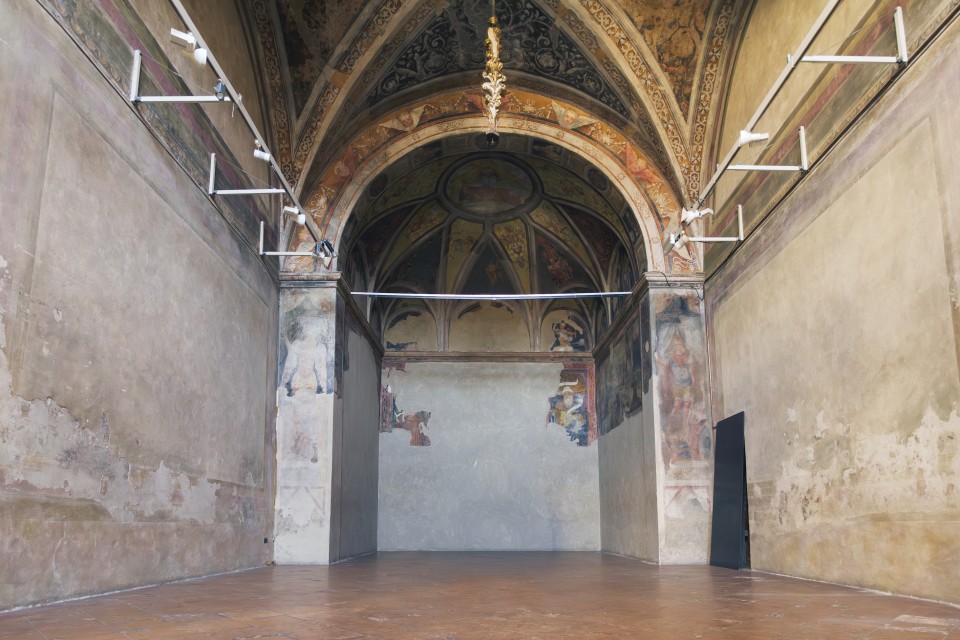
The transformation of these spaces bears the signature of Giuseppe Amato, cabinetmaker, artist and designer, in collaboration with architect Giorgio Ripa, who oversawthe architectural restoration. The result is a meticulousand rigorous project, inspired by a vision of continuitybetween history and the contemporary.
Wood, iron, lime and natural pigments, worked usingtraditional techniques, give shape to a thoughtful, cultured and deeply poetic project.
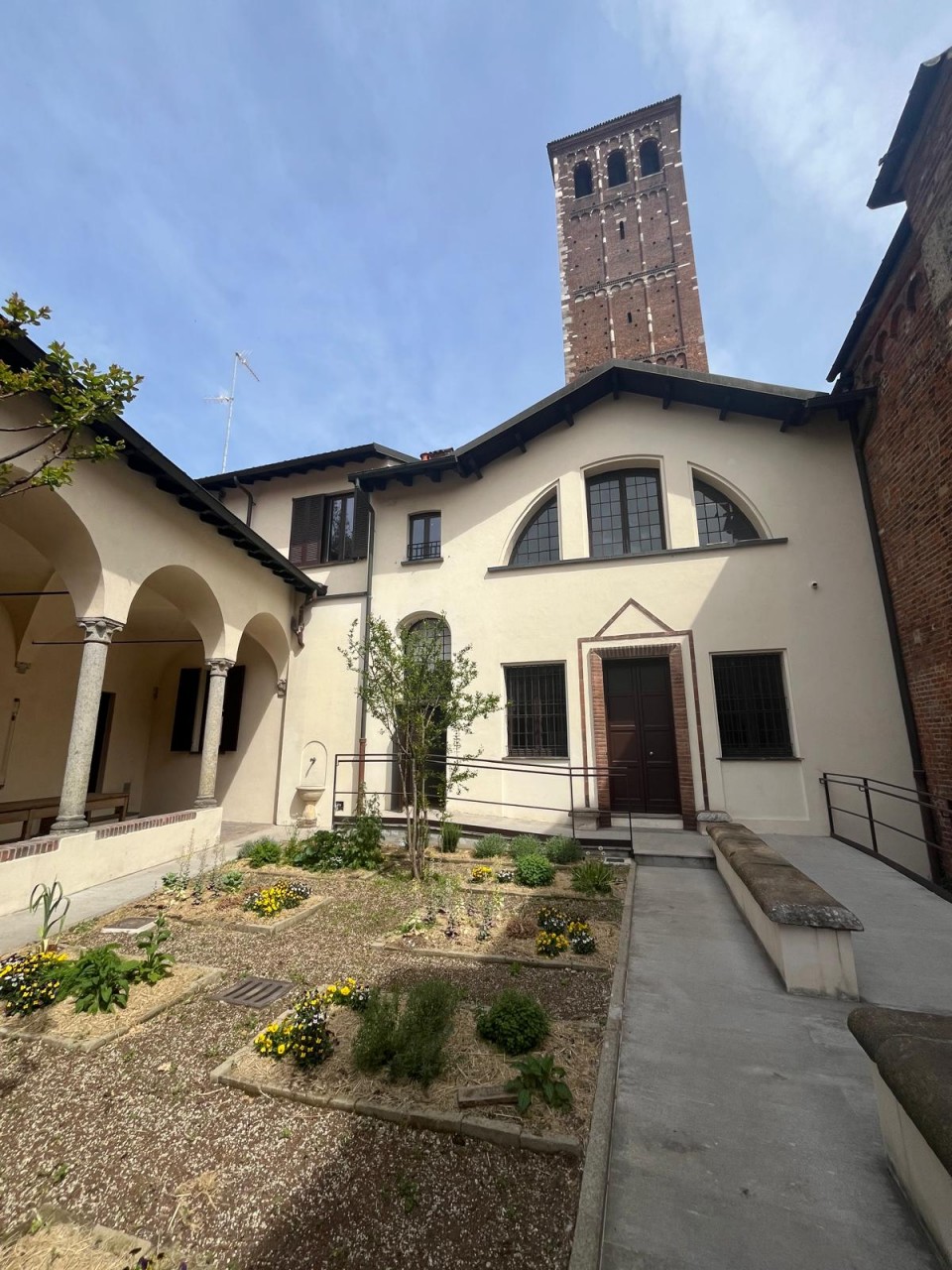
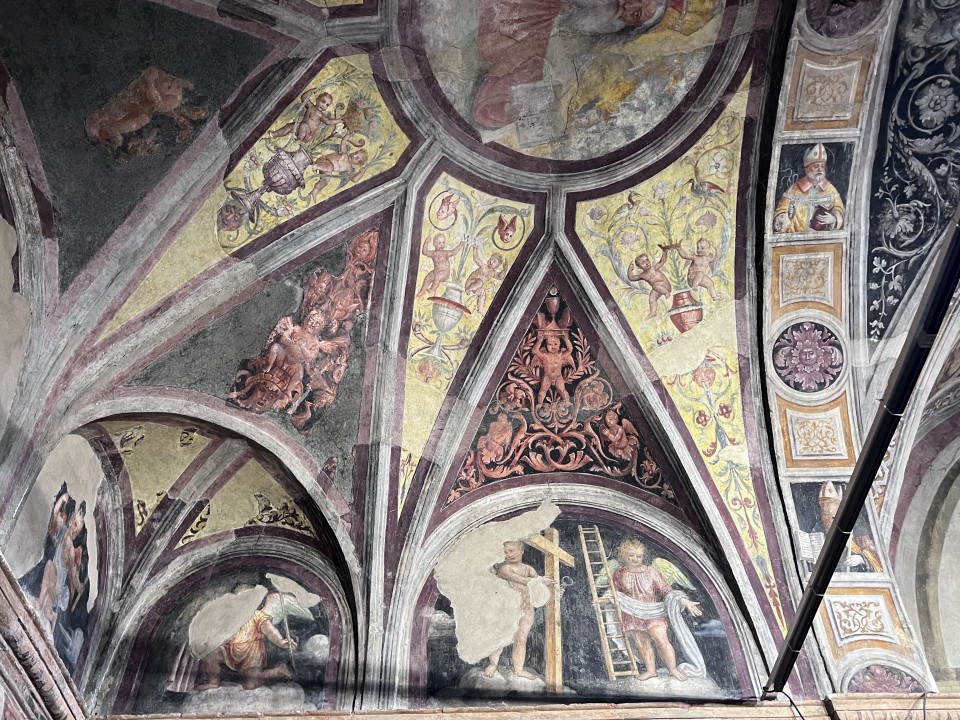
Adjacent to the Campanile dei Canonici, the Oratorywas built in 1477 by Guiniforte Solari for the Confraternity of Santa Maria della Passione, as a place of prayer and a centre of spiritual life. The frescoes, attributed to Luini, preserve the power of this spaceintact.
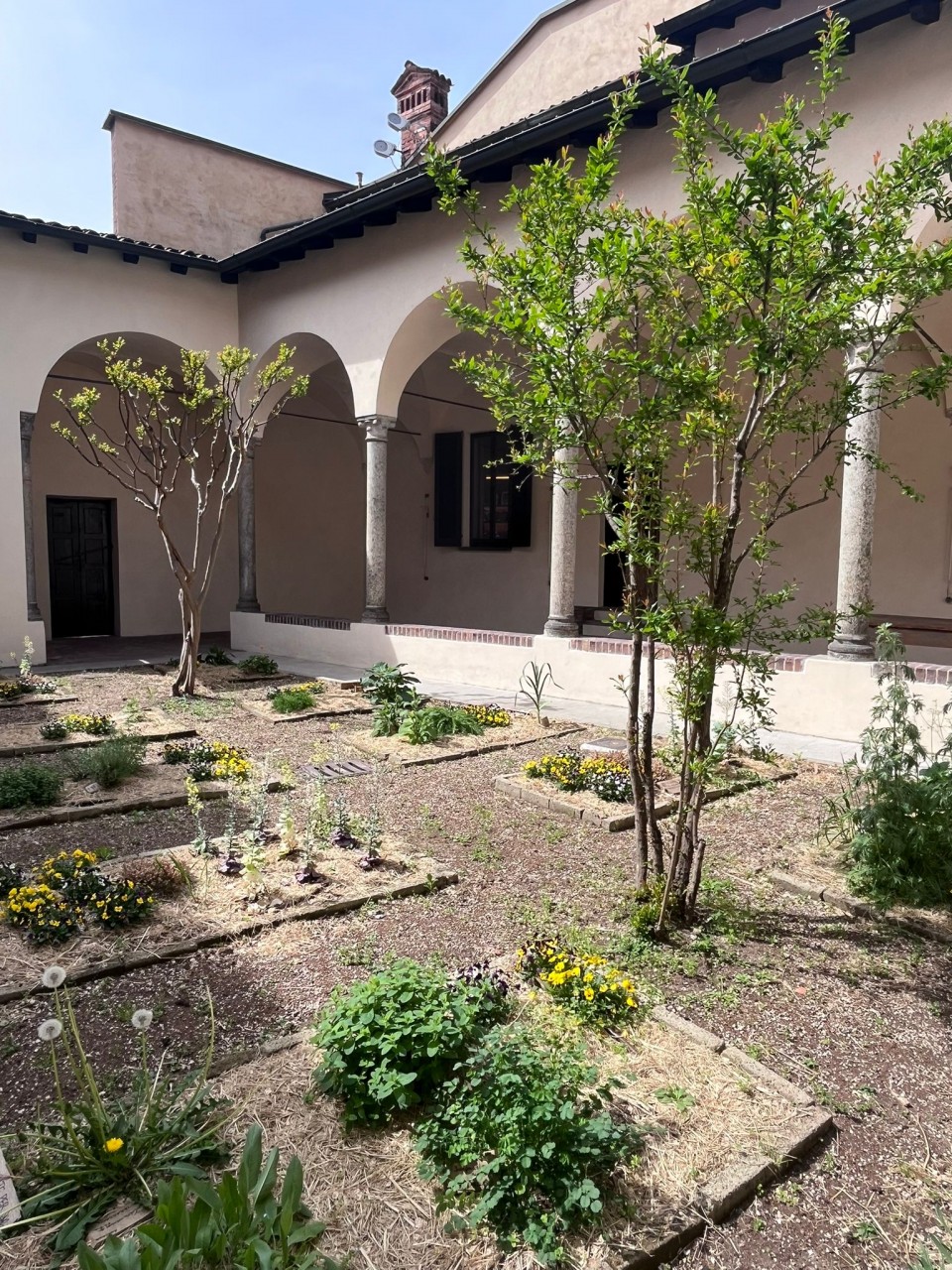
Next to it, the Chiostro dei Canonici welcomes visitorswith its green space, curated by Elisabetta Cavigioli, horticulturist and garden designer, and Angela Ronchi, biologist and botanical educator. The cloister isconceived as a space for contemplation and connection, where the Hortus simplicium takes shape, dedicated to medicinal and aromatic herbs, inspired by ancientmonastic wisdom in the preservation and use of healingplants.
The project combines botanical history and education, offering a rediscovery of the tangible and spiritual dimensions of the hortus monasticus and presenting a novel and engaging way of showcasing the Basilica’sheritage.
On 22 April, to mark the inauguration of the 5VIE district, these spaces will be open to 10.30 pm.
The museum, located within the Basilica of Sant’Ambrogio, can be visited with an admission ticket, which can be purchased at the ticket office (for up to 10people) or on the website (also for groups, subject to booking).
the museum design project was conceived by architectAndrea Perin, with architectural direction by architectGaetano Arricobene and the contribution of the Scientific Committee.